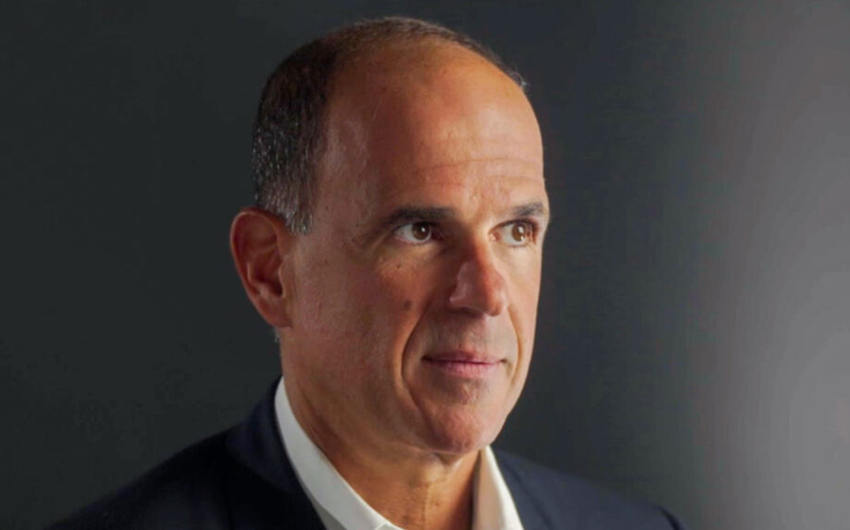
Marcus Lemonis Net Worth In 2026 Camping World The Profit And His Business Empire
Marcus Lemonis net worth in 2026 is a big search because he’s one of the rare business personalities who became mainstream famous while still running real companies. He’s best known as the longtime face of Camping World and Good Sam, plus the tough-love TV host behind The Profit. In 2026, his wealth is best described as high eight figures to mid nine figures, with many popular estimates placing him around $500 million, while market-based calculations tied strictly to publicly visible stock holdings land much lower because they don’t include private assets and brand equity.
Quick Facts About Marcus Lemonis
- Full Name: Marcus Anthony Lemonis
- Born: November 16, 1973
- Known For: CEO/leader roles in RV retail and services; TV host of The Profit
- Core Businesses: Camping World, Good Sam, RV and outdoor lifestyle brands
- TV Brand: “Fixing” struggling businesses for equity and control
- Estimated Net Worth (2026): $250 million to $550 million (most commonly cited around $500 million)
Marcus Lemonis Net Worth In 2026 Estimated Amount
Estimated Marcus Lemonis net worth in 2026: $250 million to $550 million, with the most repeated public estimate clustering near $500 million.
That wide range exists because Lemonis’ wealth is not “simple salary money.” Much of it is tied to business ownership, equity stakes, private deals, and real estate—assets that don’t show up cleanly in public filings. Some financial sites calculate only what can be verified through public stock ownership and insider filings, which can produce much lower numbers. Other sources include his broader business empire and long-term ownership upside, which pushes the estimate much higher.
Who Is Marcus Lemonis
Marcus Lemonis is an entrepreneur and investor who built his reputation on one core idea: you can fix most businesses if you improve the people, the process, and the product. That phrase became his brand because it’s simple, repeatable, and easy for audiences to understand—especially on television.
But he isn’t just a “TV businessman.” His real influence comes from operating in the RV and outdoor retail world at scale, where margins, inventory, customer service, and acquisition strategy matter. That’s why his wealth story looks more like a corporate executive + owner-investor combo than a typical celebrity story.
How Marcus Lemonis Makes His Money
1) Camping World And The RV Retail Machine
Camping World is the centerpiece of his business identity. RV retail is a massive category, and the real money isn’t only in selling vehicles—it’s also in the ecosystem around them: financing, warranties, maintenance, add-ons, and long-term customer service relationships.
When someone has leadership and ownership exposure in a company like this, wealth is often created through:
- equity value (ownership stake appreciation)
- corporate compensation (salary and incentives)
- dealmaking (acquisitions, asset sales, and strategic partnerships)
In years where RV demand is strong, that ecosystem can generate huge revenue. In weaker years, the business can still hold value because the service and membership side helps stabilize income.
2) Good Sam Membership And “Recurring Revenue” Power
Good Sam is often overlooked in net worth conversations, but it matters because membership-style businesses create predictable revenue. Recurring revenue is one of the strongest wealth builders because it makes earnings less dependent on one-time sales.
Membership, roadside assistance, insurance-related services, and travel benefits turn customers into long-term relationships—and long-term relationships are where companies gain pricing power and stability.
3) The Profit And Television Money
The Profit made Lemonis a household name. Even if you ignore the pure TV paycheck, the show created something more valuable: a powerful personal brand.
That brand can produce income through:
- TV contracts and production-related compensation
- new show opportunities built on the same “business fixer” format
- appearance fees and speaking engagements
- deal flow (more businesses want him, which can lead to more ownership opportunities)
In modern business entertainment, being “the recognizable expert” can be worth millions because it pulls opportunities toward you.
4) Equity Stakes In Multiple Businesses
Lemonis’ biggest wealth driver isn’t a single paycheck—it’s the ownership model. When he invests in or acquires pieces of businesses, he’s playing an equity game. Equity is how net worth scales faster than salary.
His public brand is built on buying into companies, restructuring them, and improving operations. Even when individual deals don’t become huge winners, the portfolio approach can still build serious long-term wealth.
5) Real Estate And High-Value Assets
Wealthy entrepreneurs often store value in real estate, and Lemonis has been associated with high-end property holdings. Real estate matters because it can be:
- a wealth anchor during volatile business cycles
- a liquidity tool (sell or refinance when needed)
- long-term appreciation that boosts net worth quietly
What’s Complicating His Net Worth In 2026
In 2026, there are also financial headwinds that can affect net worth estimates and cashflow—especially legal costs and payouts related to disputes tied to his TV business history. When a person is involved in major legal settlements or arbitration awards, it doesn’t necessarily destroy wealth, but it can:
- reduce cash on hand
- force asset sales
- increase operating costs
- create uncertainty that affects dealmaking
That’s one reason you’ll see net worth numbers spread widely online: some estimates assume a clean “empire valuation,” while others assume ongoing costs and losses reduce the total.
Why Public Stock Calculations Often Look Much Lower
Some websites calculate Lemonis’ net worth based largely on publicly visible stock holdings (what can be tracked through filings). Those calculations often land in the tens of millions, not hundreds of millions.
That doesn’t necessarily mean the big estimates are wrong. It usually means the calculation method is limited. Public stock filings can show:
- shares owned in specific public companies
- insider sales and purchases
But they do not capture many major components of billionaire-style wealth, such as:
- private company equity
- ownership stakes held through private entities
- real estate portfolios
- brand/production income that isn’t disclosed publicly
So you end up with two “truths” depending on how you measure: a conservative public-equity view versus a broader empire-and-assets view.
What Could Increase Marcus Lemonis’ Net Worth Next
If Lemonis’ wealth rises meaningfully from here, it will likely come from ownership-driven moves rather than TV fame alone. The biggest drivers would be:
- RV market strength and improved margins at major holdings
- new acquisitions that scale successfully
- stronger recurring revenue through memberships and services
- media expansion that creates new deal flow and monetization
- real estate appreciation and strategic asset management
Bottom Line
Marcus Lemonis net worth in 2026 is best estimated at $250 million to $550 million, with $500 million being the most commonly cited figure in popular coverage. The reason the number is debated is because public stock-based calculations capture only a slice of his wealth, while broader estimates include private business equity, ownership stakes, real estate, and long-term brand value from his TV success. However you slice it, the key takeaway is the same: Lemonis built real wealth by stacking ownership—not just by being on camera.
Featured image source: https://www.tvinsider.com/1199805/marcus-lemonis-the-fixer-profit-differences-businesses/